
Every child learns differently, so attempting to teach all children the same way and expecting them to reach their potential is unrealistic. Traditional educational approaches often apply a one-size-fits-all methodology that leaves many students struggling and frustrated. The Montessori method is an effective alternative for providing early childhood education specifically designed to support diverse learners. Dr. Maria Montessori developed this model by carefully observing how children learn naturally and identifying patterns in their learning. No matter how your child learns, Montessori school classrooms offer individualized pathways that take into consideration your child’s differences in cognition and comprehension.
Early Childhood Learning Styles
Before jumping into the advantages of the Montessori method, it is essential to understand how children process information differently. Key learning styles in early childhood:
- Visual: Visual learners process information through sight. They learn through observing their environment, reading books, and using charts.
- Auditory: Auditory learners do best when hearing information. This includes listening to stories, engaging in discussions, and listening to music.
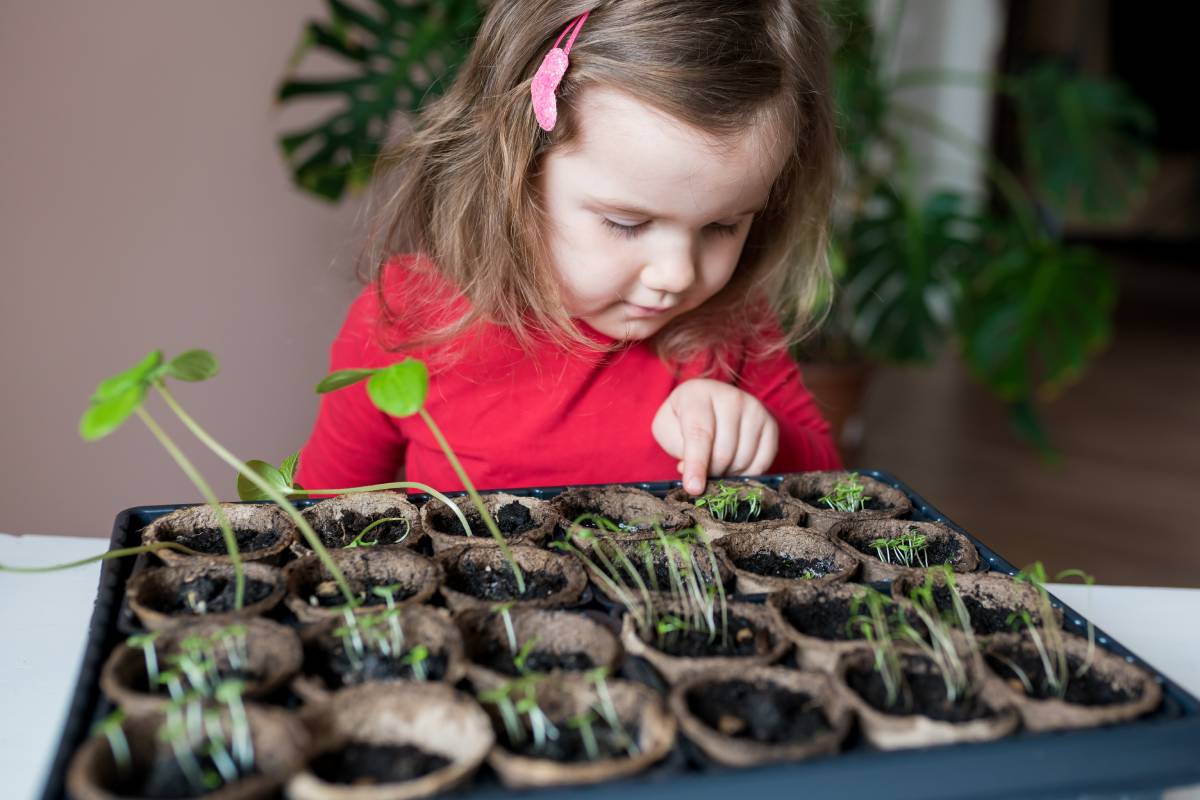
- Kinesthetic/Tactile: Hands-on learners retain information best by doing. Hands-on activities make it easier for children with this learning style to grasp concepts.
- Social/Solitary: Some children may prefer to learn in a group setting, while others do better on their own.
Studies support that most children use multiple modalities to learn, but often show distinct preferences that, when accommodated, accelerate comprehension and retention. Traditional classrooms emphasize sitting still and listening to lectures. This framework predominantly serves auditory learners while potentially creating a disadvantage for those who learn differently.
Self-Paced Learning
A key feature and powerful benefit of the Montessori method is its self-paced structure. Rather than forcing children to master the same material at the same pace, Montessori classrooms create opportunities for children to work through concepts at their own pace. If a child grasps a concept quickly, they can advance without waiting for peers. On the other hand, if a child struggles with a concept, they are granted extended time without fear of stigma or pressure. Research has shown that Montessori students demonstrate better executive function and academic outcomes, partly due to the accommodation of individual learning paces.
Interactive Lessons and Hands-On Materials
Montessori classrooms use a wide range of specially designed manipulative materials to help students understand difficult concepts. Neuroscience research supports that physical manipulation strengthens neural pathways, making knowledge acquisition more vigorous and supporting better recall. All learning types can benefit from being able to touch, arrange, and experiment with materials that represent the concepts they are working to master.
Freedom of Choice
Montessori students are free to choose within structured parameters, their activities, work locations, and whether to collaborate or work independently. This autonomy allows children to select activities that align with their cognitive preferences and strengths. This authority to choose within boundaries leads to higher engagement and deeper learning than teacher-directed activities.
Teachers Who Guide
Rather than lecturers, teachers become observers and guides. Educators identify learning preferences and adapt accordingly. Authentic Montessori teachers acquire specialized training, skills, and certifications that require extensive studying and preparation to equip them to support diverse learners effectively.
Learning Without Limits
The greatest strength of the Montessori method is in its recognition that education should adapt to children, not force children to adapt to traditional teaching styles. These specialized classrooms serve all learning styles by offering self-paced learning, multisensory materials, choice, and individualized guidance. If you are seeking an educational approach that considers your child’s unique learning style, the Montessori method may be a good fit.
Learn how the Montessori method can improve how your child learns and understands by contacting us today.


