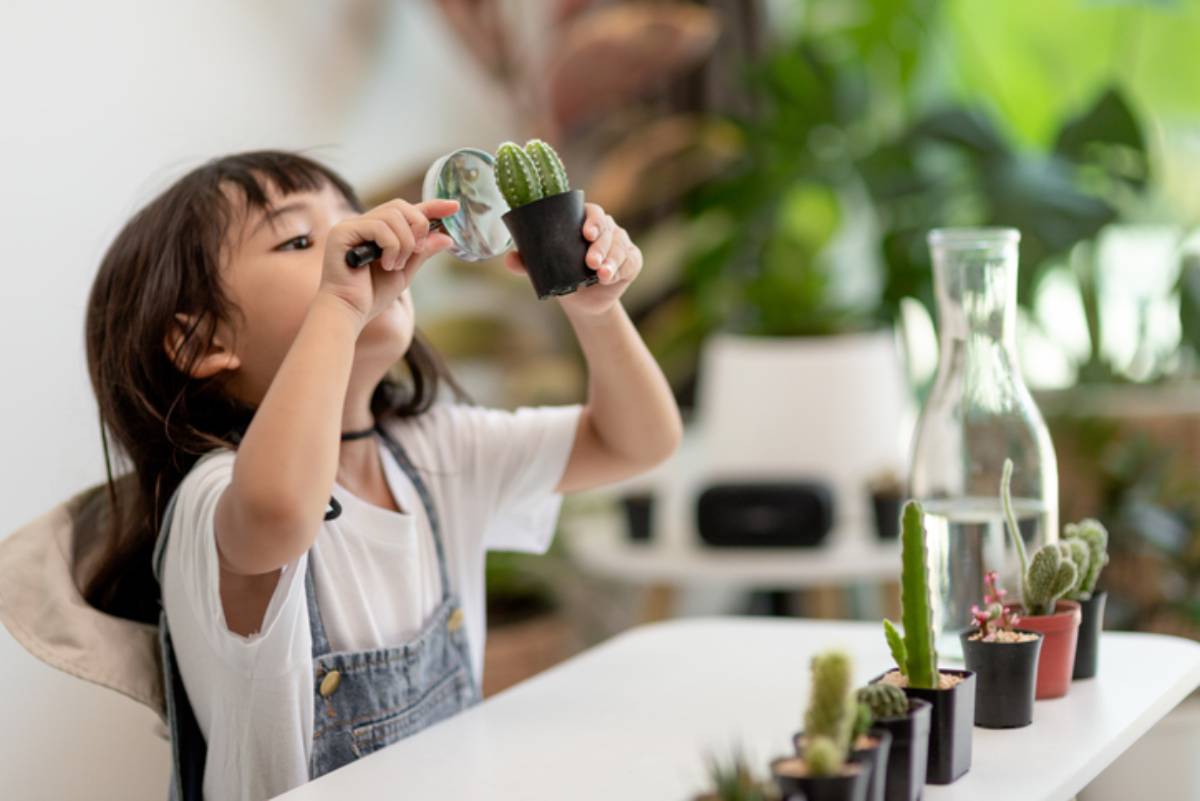
Independence comes naturally as curiosity and confidence grow. The Montessori curriculum doesn’t force students to do things on their own; it simply gives them more structured chances to practice. A quality Montessori Elementary school designs the curriculum to turn daily tasks into learning opportunities that further independence. This is demonstrated throughout the day in activities like pouring, choosing work, cleaning spills, dressing, or classroom jobs. Independence develops as an integral part of the day through simple, everyday classroom routines. It is not about expecting a child to do more than they can.
Children Make Choices
One of the biggest ways the Montessori curriculum fosters independence is by offering many choices daily. That doesn’t mean students can govern their entire day, but they can choose from available activities and decide where they want to work. Thoughtful educators encourage decision-making without constant adult direction. Children can work at their own pace, repeat activities when needed, and ask for help. The Montessori classroom is meant to create choice within clear classroom boundaries. This helps develop independence within safe parameters.
Practical Life Builds Real Skills
Practical life offers opportunities to build real-life skills. The more competent they become at pouring liquids, buttoning clothing, cleaning surfaces, preparing snacks, washing hands, or returning materials, the more confidence they will gain that can generalize to other areas. These tasks also occur outside of school, creating even more opportunities to turn a seemingly simple activity into a chance for deeper learning at home.
Classroom Makes Independence Easier
The Montessori classroom isn’t just well put together for aesthetic purposes. The design serves several useful functions in promoting independence. The classroom serves one purpose: to educate and care for children. That means child-sized furniture, supplies with one assigned place, and activities arranged for independent use. Children can then retrieve materials and return them when they are finished. The Montessori environment is prepared so children don’t need an adult to complete every step.
Teachers Guide Without Taking Over
Teachers play a crucial role in the Montessori classroom. A qualified educator will be specially trained to guide without taking over entirely. They understand that the goal is to gradually make adult intervention less necessary. They often start by demonstrating the activity with slow, clear movements. Then, they give your child time to try on their own and step in only when genuinely necessary. Your child then has the opportunity to repeat the task, often needing less help each time. Children can make small mistakes without everyone being corrected.
Independence Extending Into Learning
Independence isn’t something that happens in a day or two. It takes consistent intentional guidance. Children gain important skills not in the big moments, but when those skills can be tied to the everyday mundane. Through small actions and repetition, children often need less adult assistance to complete a task. Competence with responsibilities breeds confidence, giving your child the encouragement they may need to develop more independence. Independence is best taught as part of academic work, not separately. The more a child practices independence throughout a typical day, the more competent they will be at tackling more difficult tasks and situations in the future.
Schedule a tour to see how our classrooms are designed to help support and encourage independence every day.