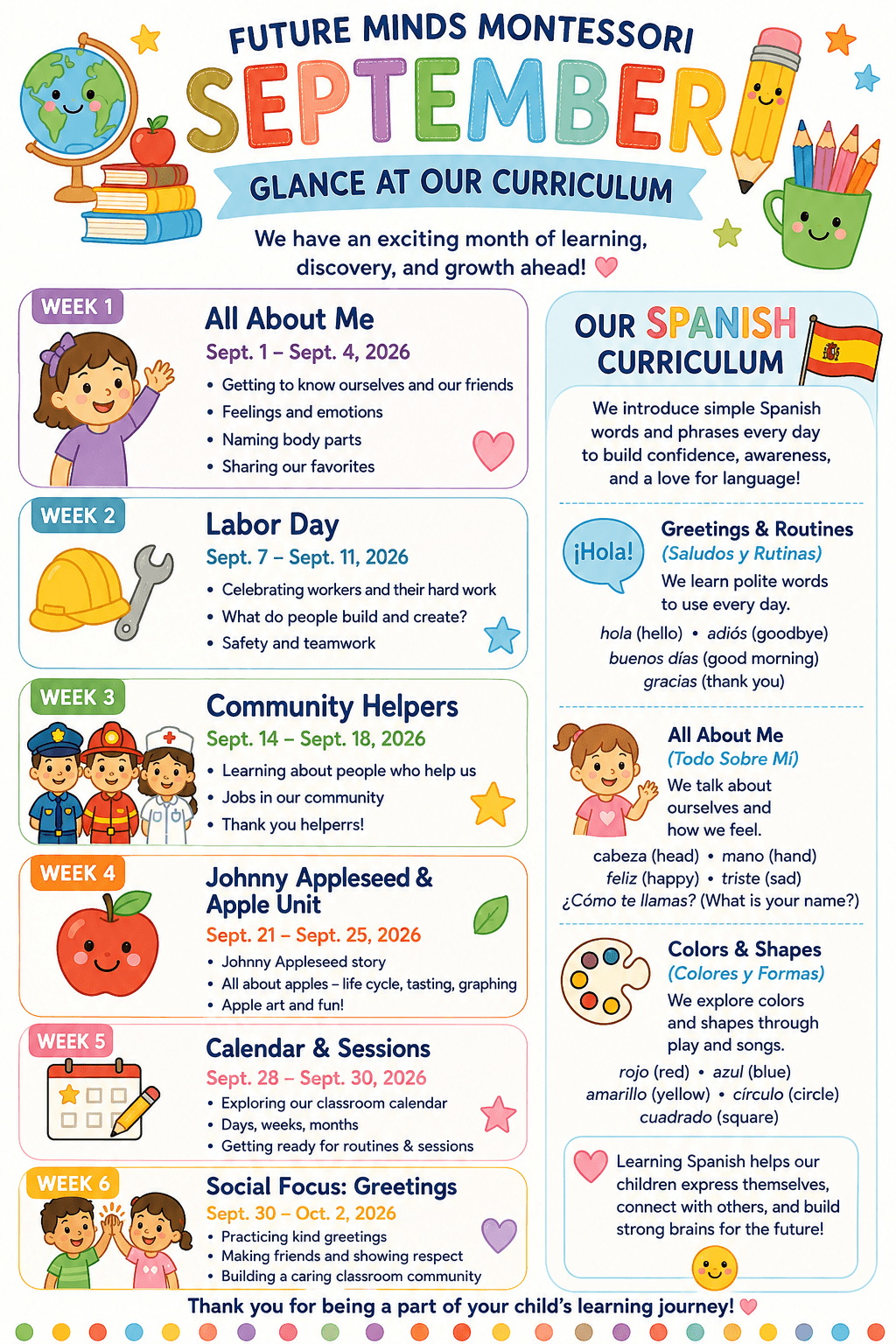
Choosing the right daycare is a decision that sits in the back of your mind long after you’ve made it. For this reason, many parents compare childcare options to determine which approach and environment best support their needs. It is easy for parents to go down the rabbit hole of worry about whether they chose the right center. Trust is not something that comes automatically, especially when it comes to caring for children. Even deeper, choosing the right full-time daycare program for your child isn’t just about the care they receive; the instruction, environment, and philosophy also play a role. Some programs align closely with structured education models, such as a Montessori elementary school, while others focus on more flexible care.
Positive Reviews
The first thing most parents do when they start looking for the right daycare is search online for centers in their area. Parents can find information about the facility, their contact details, and, very importantly, reviews. Reviews are parents’ way of getting a glimpse of the facility as a reality. If multiple parents mention strong communication, consistent care, or a supportive atmosphere, parents often see this as reliable, and it heavily influences their decision-making. Most will take the time to comb through reviews beyond just the star rating. Detailed reviews offer insight into the classroom and the center’s workings.
Environment
The physical environment can make or break a standout daycare. It speaks to how the center operates and what they prioritize. A well-organized area points to planning rather than improvisation. Rooms should be welcoming yet provide enough structure to help children transition between activities smoothly. Natural light, clean surfaces, and clearly defined zones can influence how a child moves through their day. Outdoor areas should be safe and engaging, offering space to release energy and explore nature.
Schedule/Curriculum
Children benefit from rhythm. A predictable structure creates a sense of security. Children gain confidence when they know what to expect, and variety keeps them engaged. A standout daycare recognizes this and avoids disguising chaos as free play. That doesn’t mean relying on a rigid schedule is best, as that leaves little room for flexibility. A typical day might include guided learning activities, creative play, outdoor time, meals, and nap time. Many daycares incorporate early learning programs to support cognitive and social development.
Caregivers
The quality of caregivers is a defining feature of many quality daycares. The most well-thought-out program does little if the educators aren’t attentive, patient, and present. Consistency is key; low staff turnover is often a good sign. Communication style is equally important. Caregivers who speak calmly, set clear boundaries, and encourage independence are a great resource for helping children build confidence.
Safety
Safety is always non-negotiable. But it entails more than locked doors and check-in systems. A standout daycare prominently prioritizes every layer of safety. This encompasses clean facilities, well-maintained equipment, and clear emergency procedures. Staff should be trained thoroughly in emergencies. And children’s emotional safety should be protected as well.
Finding Your Stand Out Daycare
The difference between an average daycare and one that stands out often comes down to consistency. Not just in scheduling or staffing, but at its core. In their philosophy, communication, and care. Parents gain trust when the center’s promises align with actions. In the end, the right daycare is the one that feels steady and prioritizes what you value. No daycare is perfect, but a dependable daycare goes a long way.
Compare local daycare options and schedule a visit to see if we are the right fit for you.