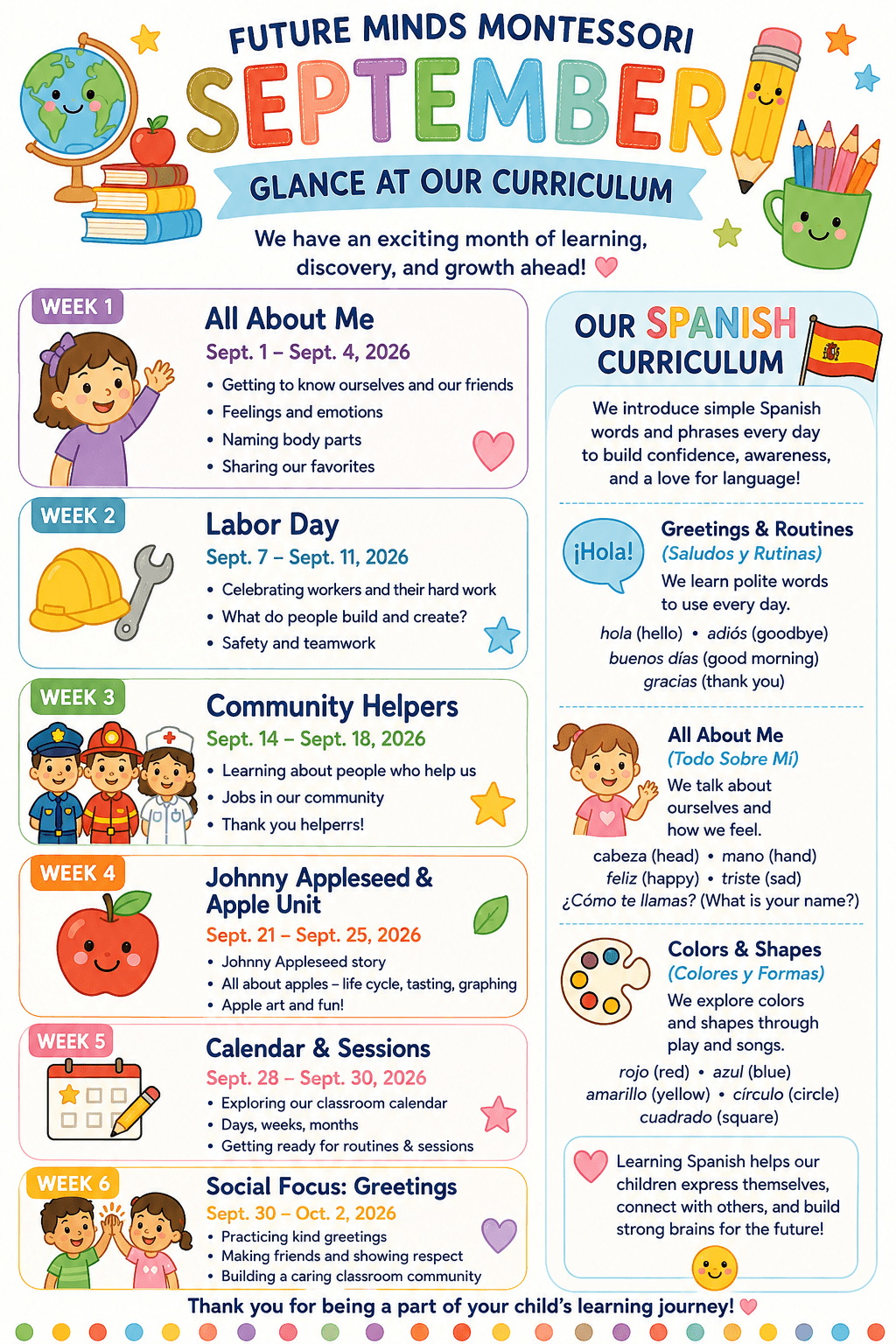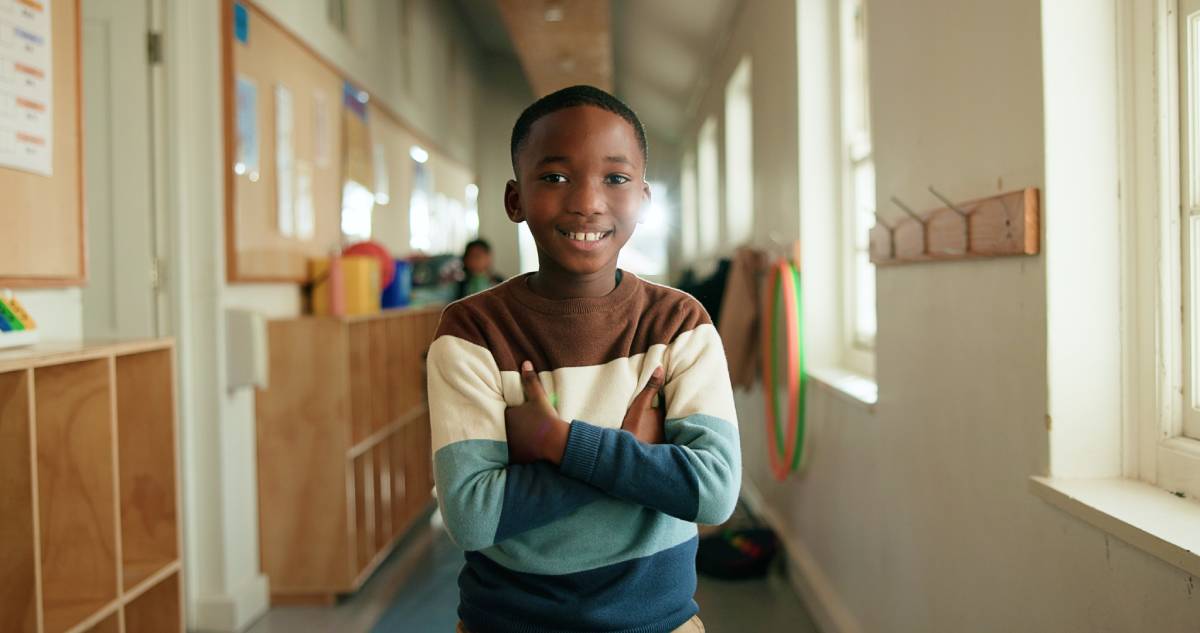
Many people picture little children carrying trays, tracing sandpaper letters, or counting beads when learning mathematical operations. Because of these images, many parents assume that Montessori education is only meant for preschoolers or kindergarten-aged children. But is Montessori only for early childhood? The Montessori method does not stop at Kindergarten. In fact, it does not even stop at a Montessori elementary school. Maria Montessori designed her educational philosophy to include children in different stages of development. Today, Montessori programs support both infants and young adults in some settings.
Is Montessori Only for Early Childhood Education?
Understanding the Montessori Philosophy
Dr. Maria Montessori believed that children learn best when given freedom in a structured environment. Children do not rely on lectures, rewards, or punishments. Montessori education encourages independence, curiosity, responsibility, and hands-on learning.
Montessori believed that a child’s education should align with their developmental needs at every stage of life. This is why the Montessori classroom changes as the child grows older. The materials, teaching style, and expectations evolve as the child matures and develops.
Montessori for Early Childhood
Early Childhood Montessori Programs (Casa) for 3-6-year-olds is the best-known of her programs. These years focus on foundation skills, which include:
- Practical life activities
- Sensory development
- Early mathematics
- Language and reading
- Grace and courtesy
- Independence
During this stage, young children learn through movement, repetition, and exploration and manipulation of their environment. The classroom environment is carefully prepared to help the children develop concentration and confidence. Manipulating objects provides a sensory experience and helps them refine their fine motor skills.
Montessori for Elementary Students
Elementary programs usually serve children ages 6-12. At this stage, learning shifts from concrete learning to imagination, reasoning, and deeper exploration. Students study subjects like geography, biography, history, language, mathematics, science, and music in an interconnected way rather than learning isolated facts.
Elementary classrooms often include:
- Research projects
- Group collaboration
- Science experiments
- Creative writing
- Geography and cultural studies
- Advanced mathematics
Children at this level are encouraged to ask big questions and pursue independent learning. Instead of merely memorizing facts for tests, children learn to think critically and connect ideas.
Montessori for Adolescents
Montessori education is also for children in their teens. Although the availability of this program varies by location, the adolescent program serves students ages 12 to 18.
Teenagers in Montessori settings engage in:
- Real-world problem solving
- Community involvement
- Entrepreneurship projects
- Farm-schools or land-based learnings
- Collaborative learning opportunities
- Internships and practical experiences
At this stage, Montessori education focuses on building confidence, developing identity, responsibility, and social awareness.
Maria Montessori believed that, by nature, children love work. And she believed that teenagers needed meaningful work and opportunities to contribute to society. For her, since teenagers are in a special stage of life on the brink of adulthood, their environment should reflect all aspects of adult life and provide opportunities to engage in practical work as close to a real society as possible. In addition, the adolescent children are also given opportunities to come into close contact with nature. This is to instill an appreciation and a sense of responsibility towards the planet.
Why Some Families Continue Montessori Long-Term
Many families appreciate the long-term benefits which may include:
Independent Thinking
Montessori students are usually comfortable making their own decisions, managing their time, and taking responsibility for their work.
Love for Learning
Children develop intrinsic motivation and a genuine interest for learning
Strong Social Skills
Children learn cooperation, empathy, patience, and leadership.
Confidence and Responsibility
The real responsibilities entrusted to children at an early age help them become capable and self-directed.
Is Montessori Right for Every Age?
The Montessori method is beneficial to different stages of development. However, the experience may look different depending on the age group and the school.
Not all Montessori schools can offer an adolescent program. Many Montessori schools offer only the early childhood program, which often leads people to think that Montessori is only for very young children.
Discover How Montessori Can Help Your Child
Montessori education is more than just a preschool or early childhood trend. It was designed to nurture the whole person from childhood to adolescence. If you want to know more about how the Montessori method of education can benefit your child, contact us today.